To the present moment.
A new kind of wearable that helps you keep the promises you make to yourself.
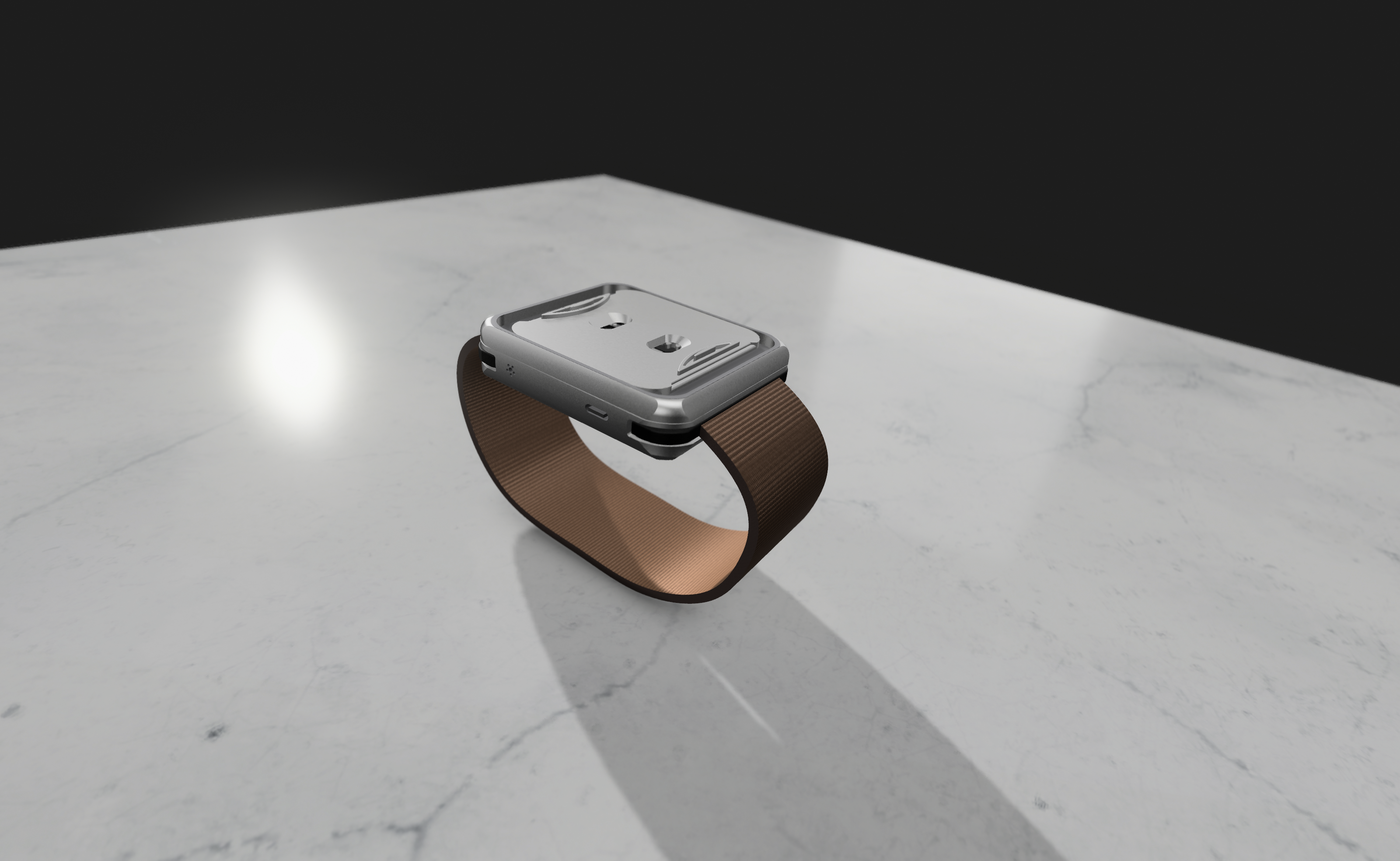
Your specific signal. No screen. Everything you want to do.
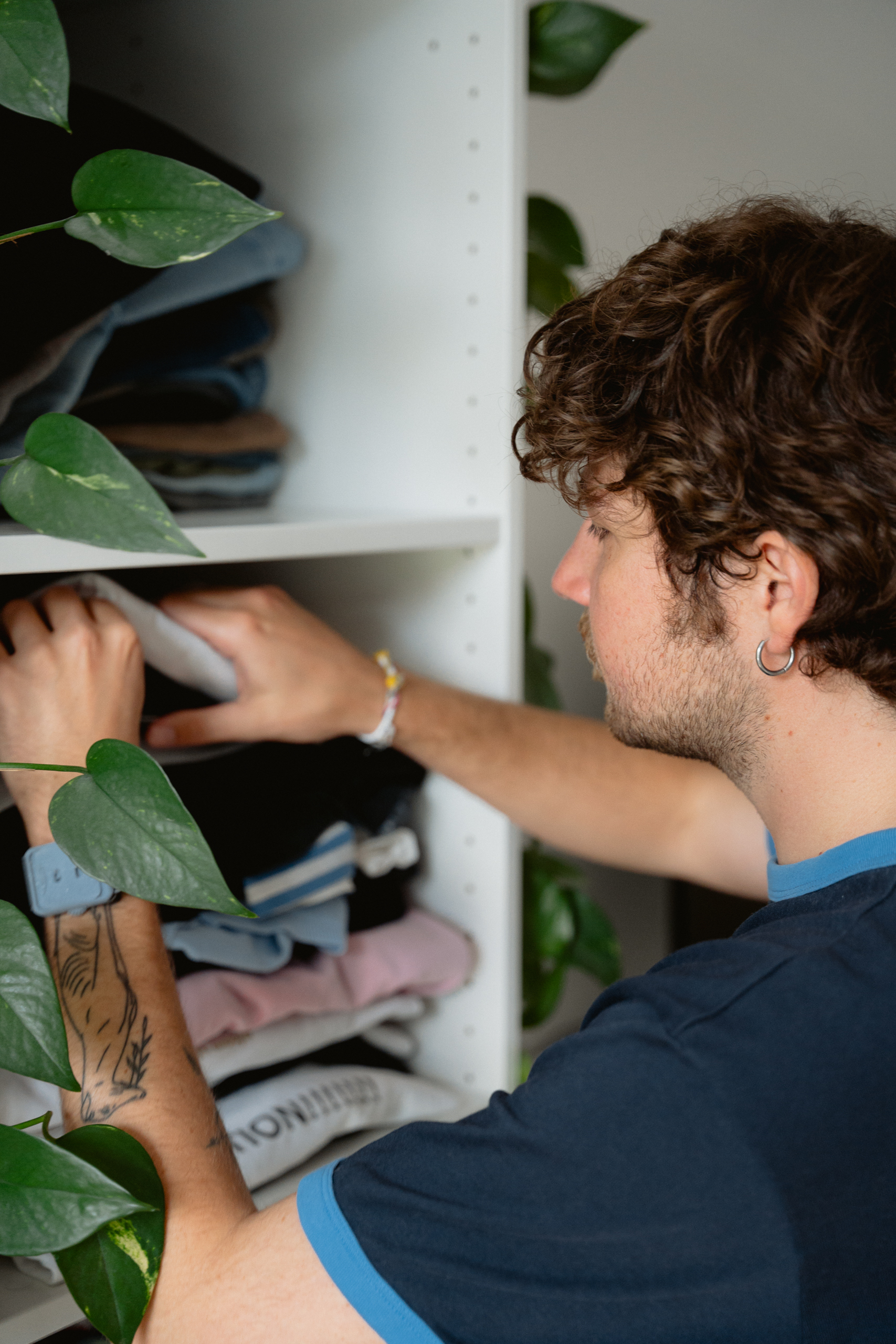
Life is stressful, days are full, and most of us are quietly looking for a bit more structure in the noise. So we reach for what's offered:
an app to track it, a watch to measure it, a dashboard to make sense of it.
Not in the same realm.
Parameter and activity diagrams ask you to interpret. Reminders ask for your time. Both take attention — and both stay distant from direct, practical change in the present moment.
Attention has no lobby.
Every app, feed and notification competes for the same scarce resource. No one treats your attention as the limited resource it is.
Personal technology assumes that more measurement leads to better behaviour. With attention, it doesn't — it leads to exhaustion.
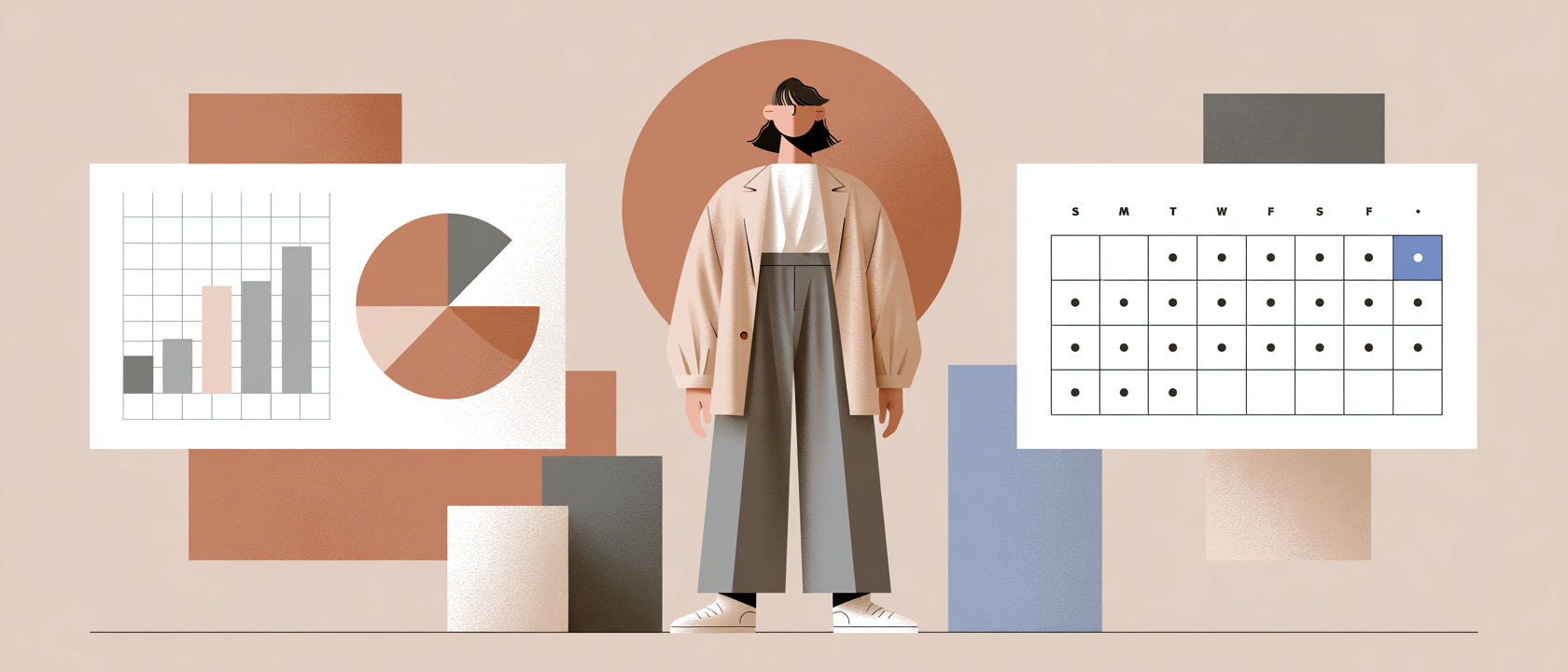
Change happens where the action happens — not scripted an hour in advance
A smartwatch wants your attention. tacet protects it.
Trackers look back. Apps look ahead. A smartwatch has all the data but no access to your real world. tacet works in the moment itself — it catches an unwanted automatism and answers with a single, specific tactile signal that recalls a decision you already made. And it works the other way too: it can flag an action you meant to take but missed — without ever knowing what you're actually doing.
Running shoes by the bed beat any app reminder. A physical object in the right context speaks straight to the automatic system — a notification first has to be noticed, judged, and translated into action — and somewhere in those three steps, the intention slips away.
Present without interrupting.
Most devices are built to interrupt — pull you in, keep you scrolling, ping you back. tacet works the other way. It has no feed and no notifications competing for your eyes. It only steps in for a single, quiet moment: when you've drifted from something you meant to do.
An app can't solve this problem — because the phone is part of the problem, with a thousand ways your attention could drift next.
A notification pulls you out of the present moment — and worse, you don't even know whether it matters. Either way it costs you the moment, and you need half a minute to reset and be fully present again. A tacet signal doesn't ask you to go anywhere. It points you back to what you meant to do, and you stay exactly where you are.
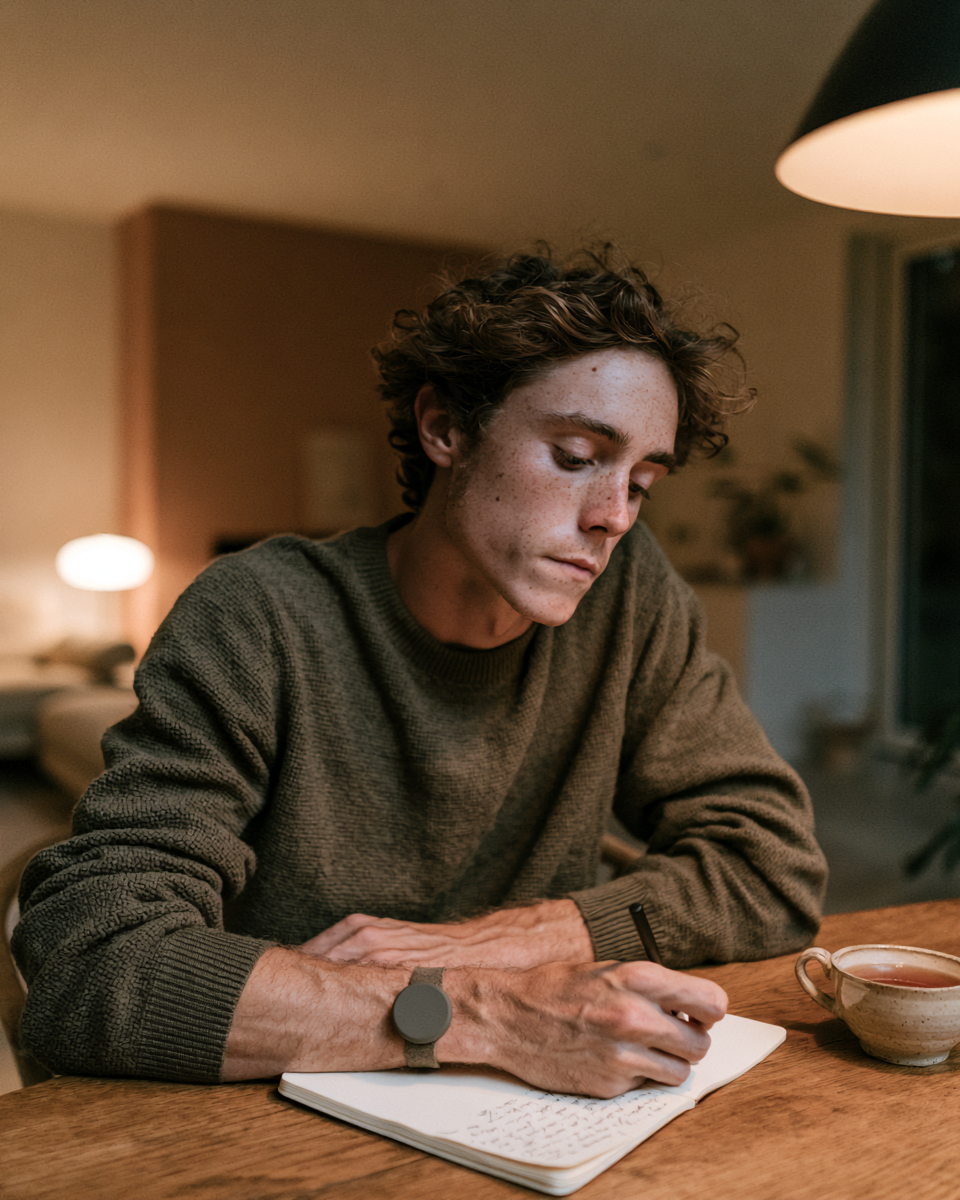
A promise you made to yourself.
Not a rule. Not a boundary. tacet holds a memory of what you decided — and hands it back to you the moment it matters.
Two questions — build or break, with timing or without
How it reads a moment.
tacet understands no context. It only knows a waveform — the meaning stays entirely with you. The whole thinking: take the minimum, and reach the maximum with it.
Minimum input, maximum effect.
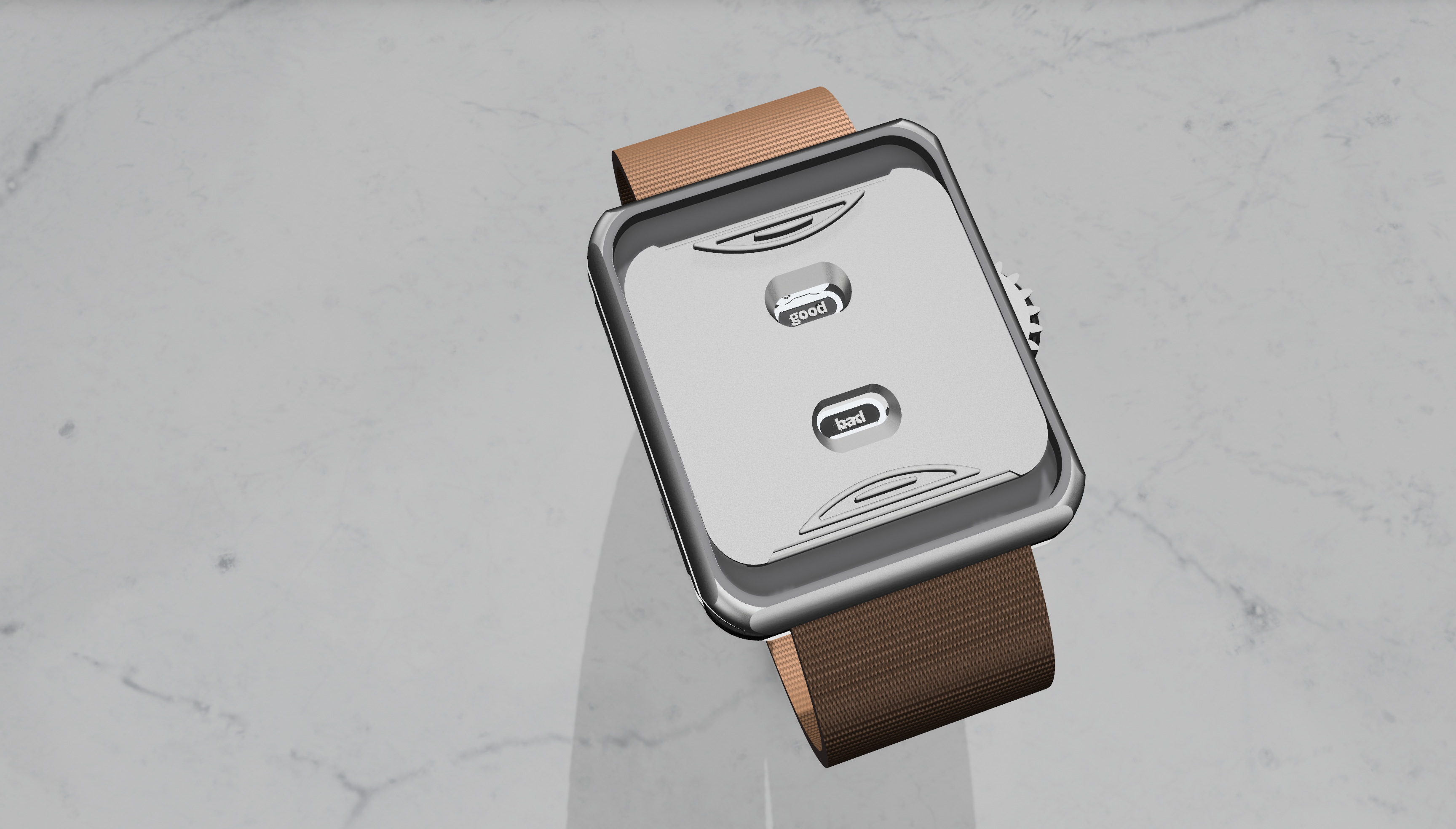
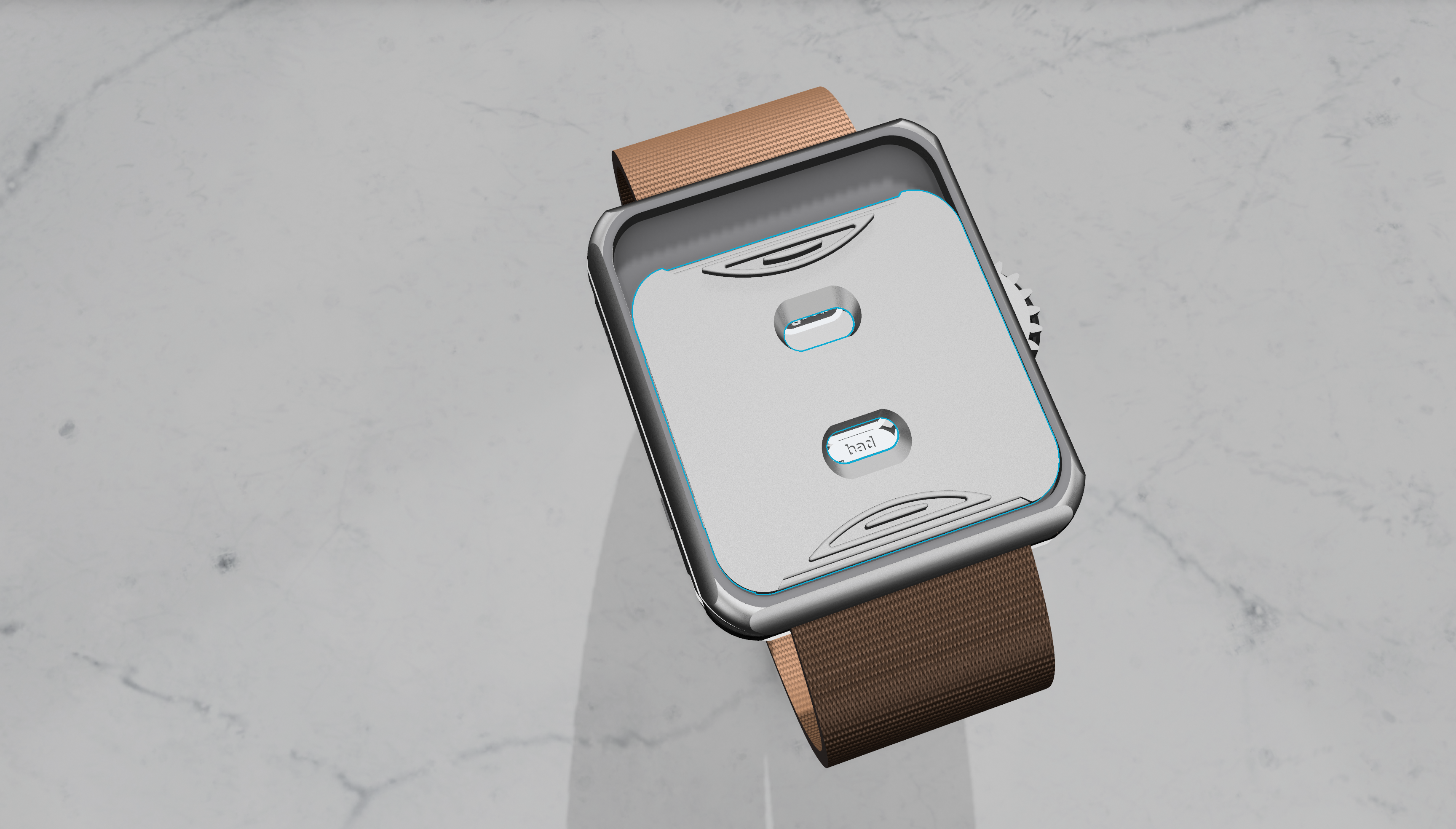
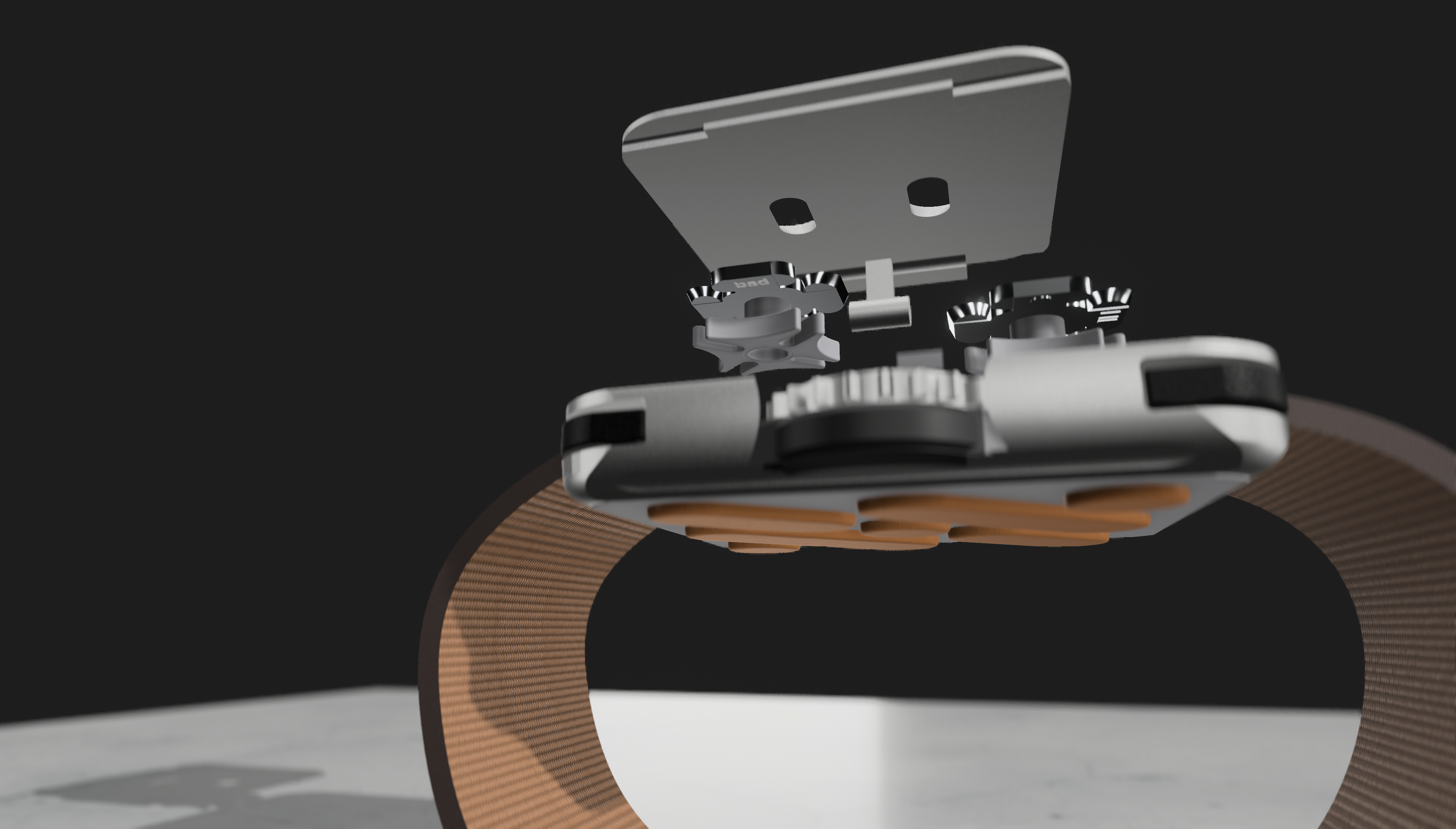
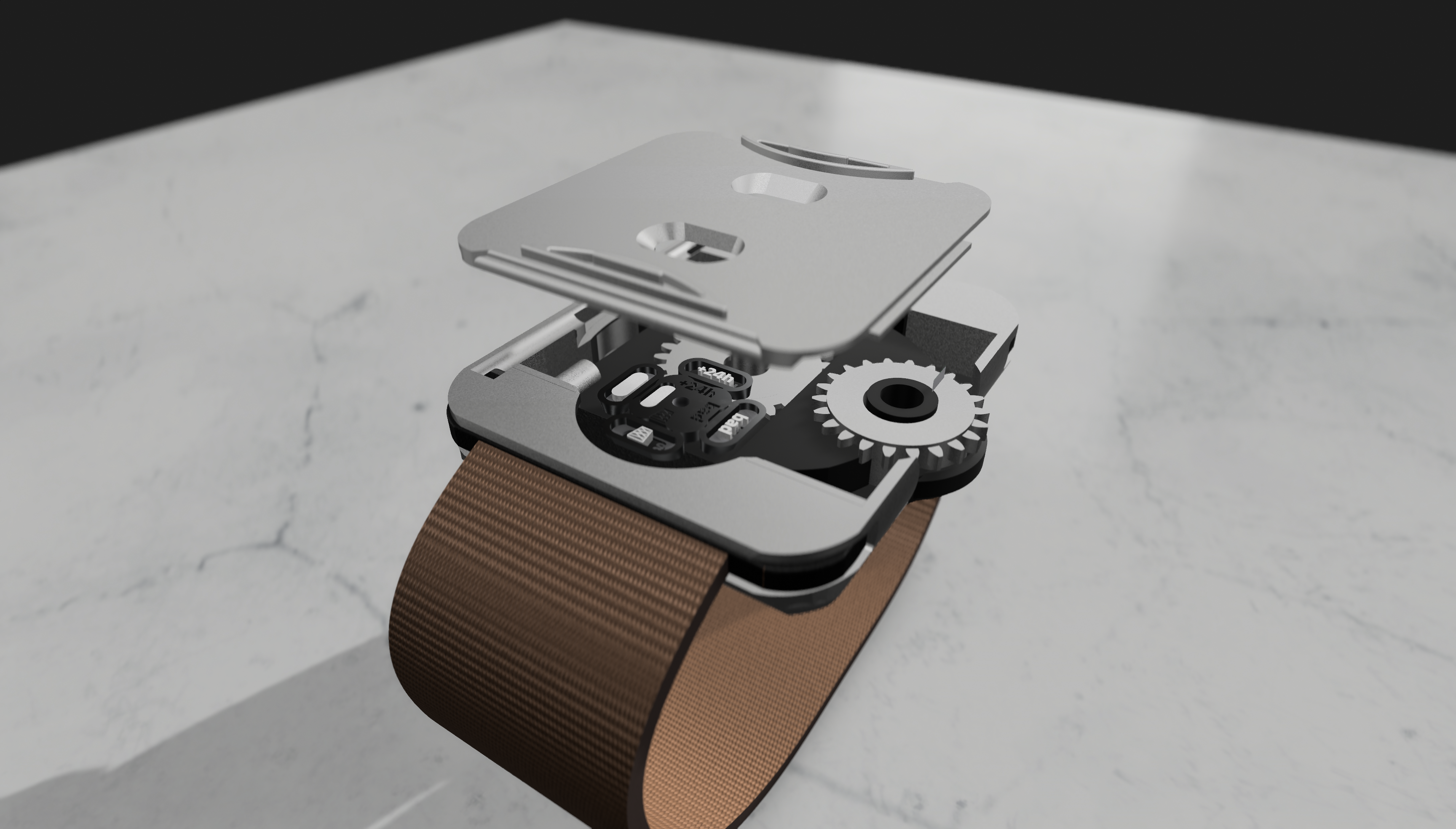
Every label appears twice — once as a preview, so you see what you're about to pick, and once in the active state, like a button in a digital interface.
Four pairs. Two windows. One slider.
One slider, one dial — and everything the device can do.
Pair {{ pairIndex }} of 4 · the dial turns, both windows switch together — never a mismatched pair.
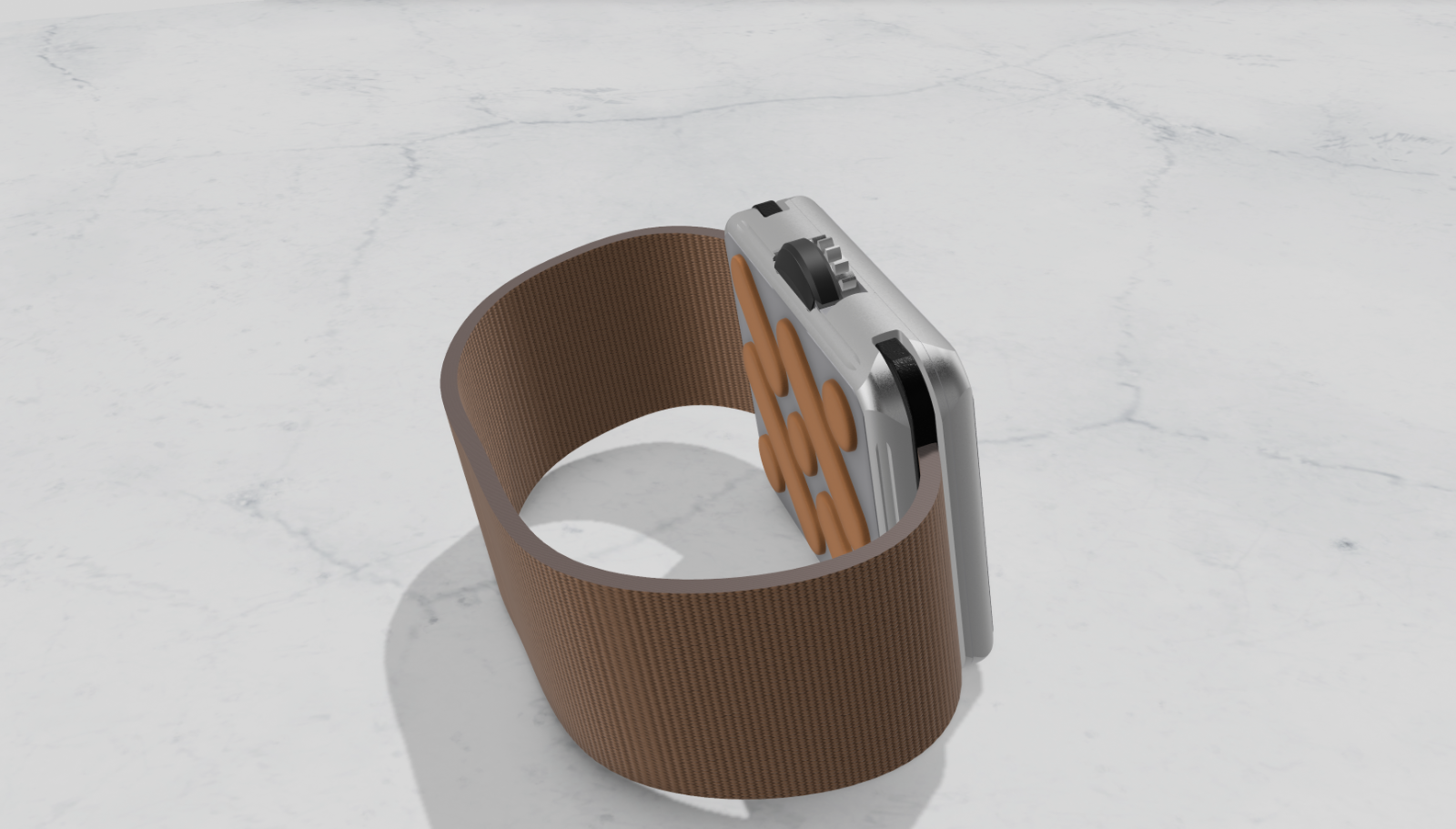
Your own morse signal.
You set your own sequence of short and long impulses — the exact rhythm you'll later feel as vibration on your wrist.
Circle = short impulse. Pill = long impulse — your signature and tacet's mark are written in the same alphabet. Stickers included, so the reminder lives in the real world.
If you need it: on the object itself.
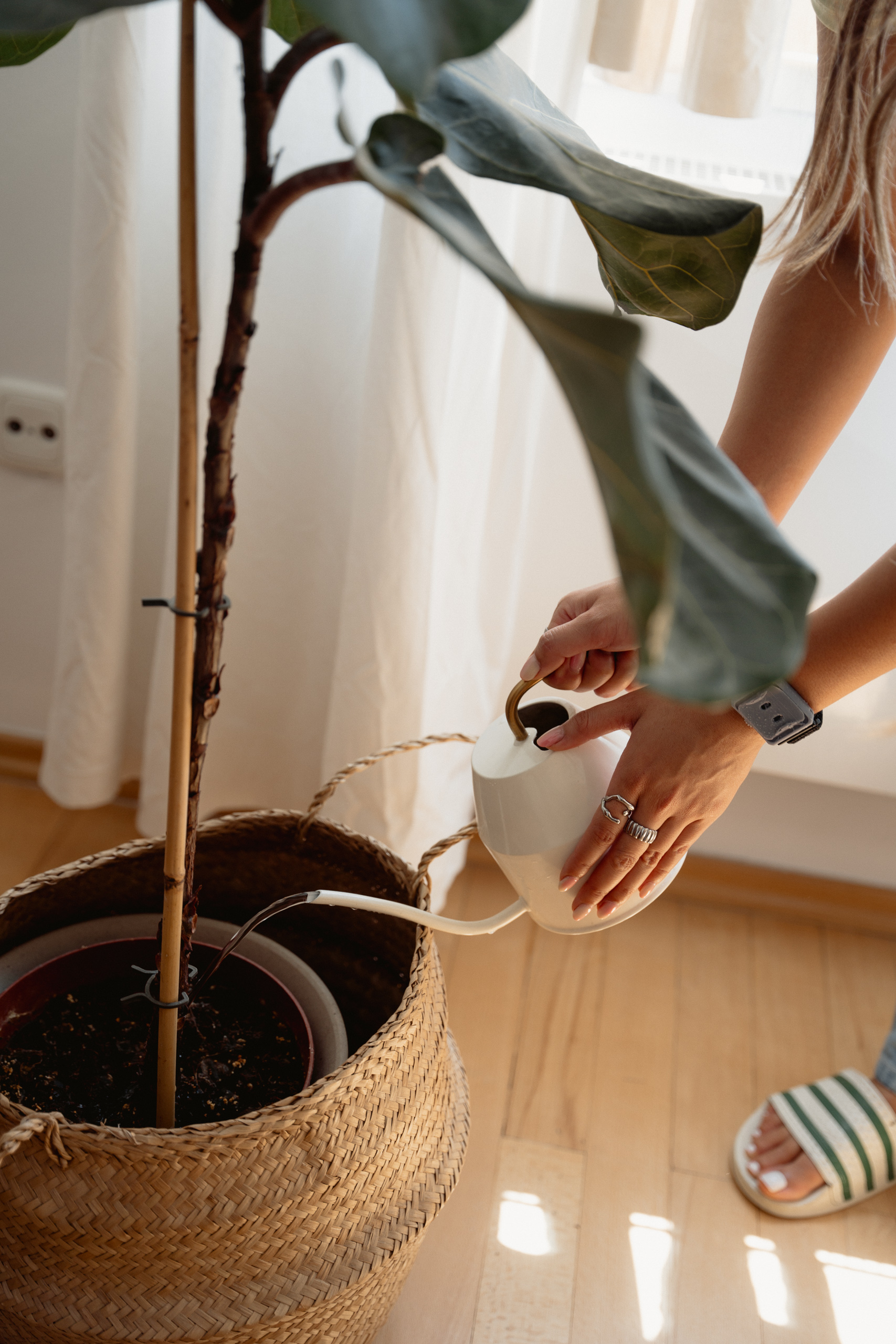
A signature is only two characters, so it can be printed. The same circles and pills come as stickers in the box — stick one on the watering can, the jar, the door. The link between signal and action lives in the real world, not in an app.
A loop, not a recording — and that's the whole privacy story.
tacet holds only the last few seconds of ambient sound in a short ring buffer — a fixed block of memory that continuously overwrites itself. It never grows, and it holds nothing older than a few seconds.
Inside that loop, tacet compares the shape of the sound — its amplitude over time — against the pattern you saved.
Whatever you're working on, tacet can hold it.
There's no fixed list of habits. Any repeating sound, any interval, any pattern you define — tacet breaks it down into its parameters and compares against them.
{{ scenario.title }}
{{ scenario.body }}
Rituals, not rules.
The sound is just the anchor tacet listens for. What it holds you to is what comes after.
{{ activeRitual.title }}
{{ activeRitual.body }}
Worn all day, noticed by no one.
It sits on the wrist like any other band — through the commute, the kitchen, the evening
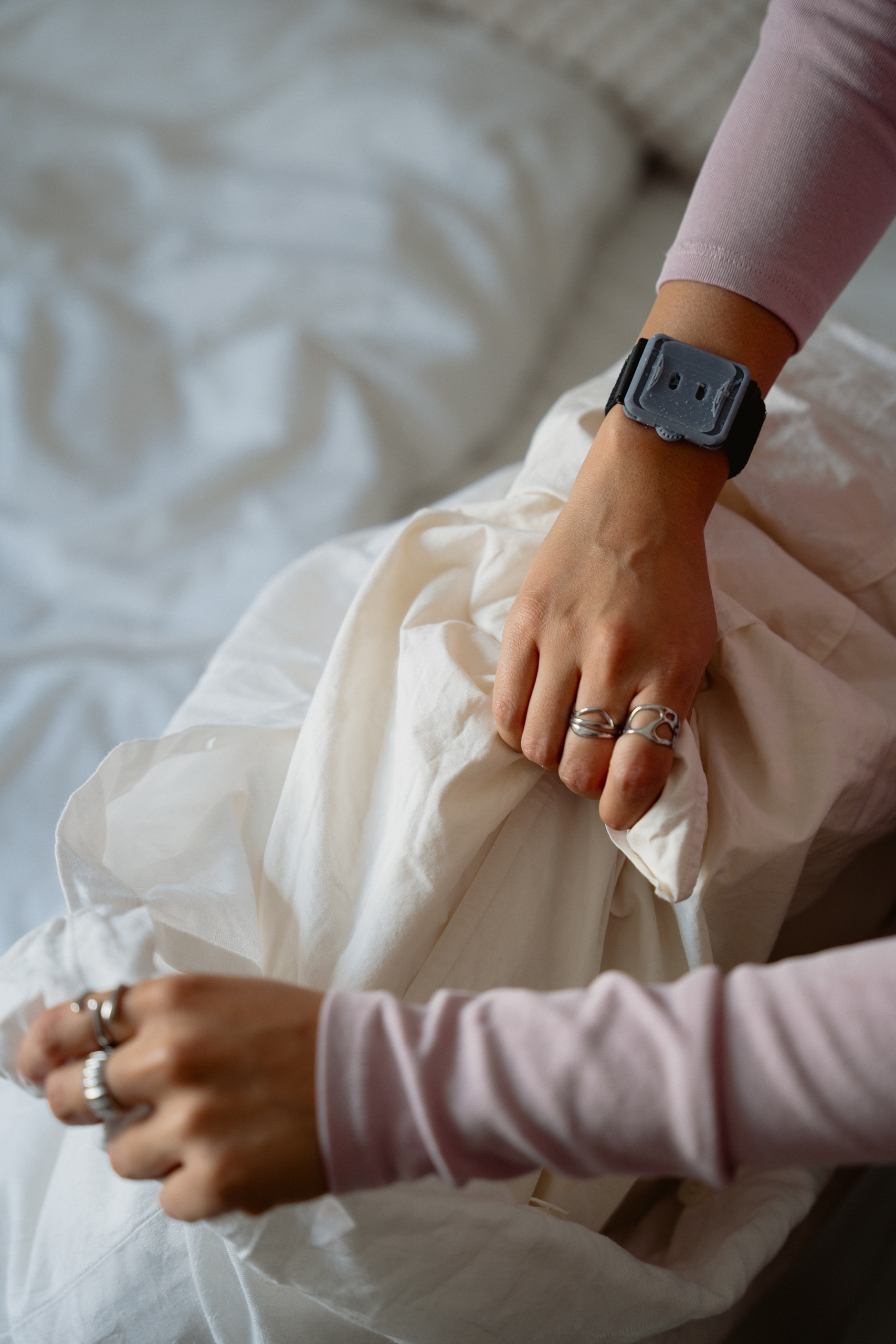
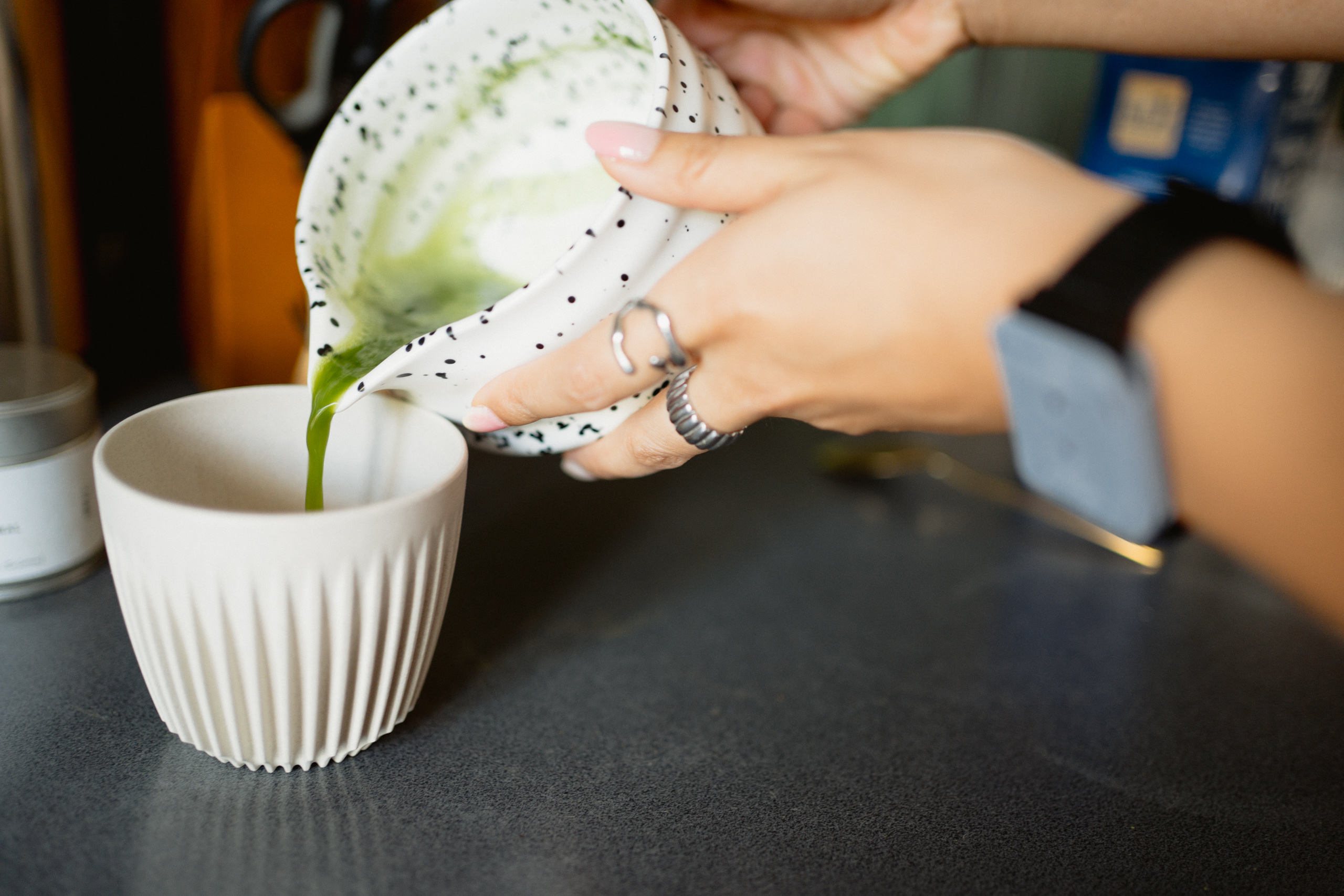

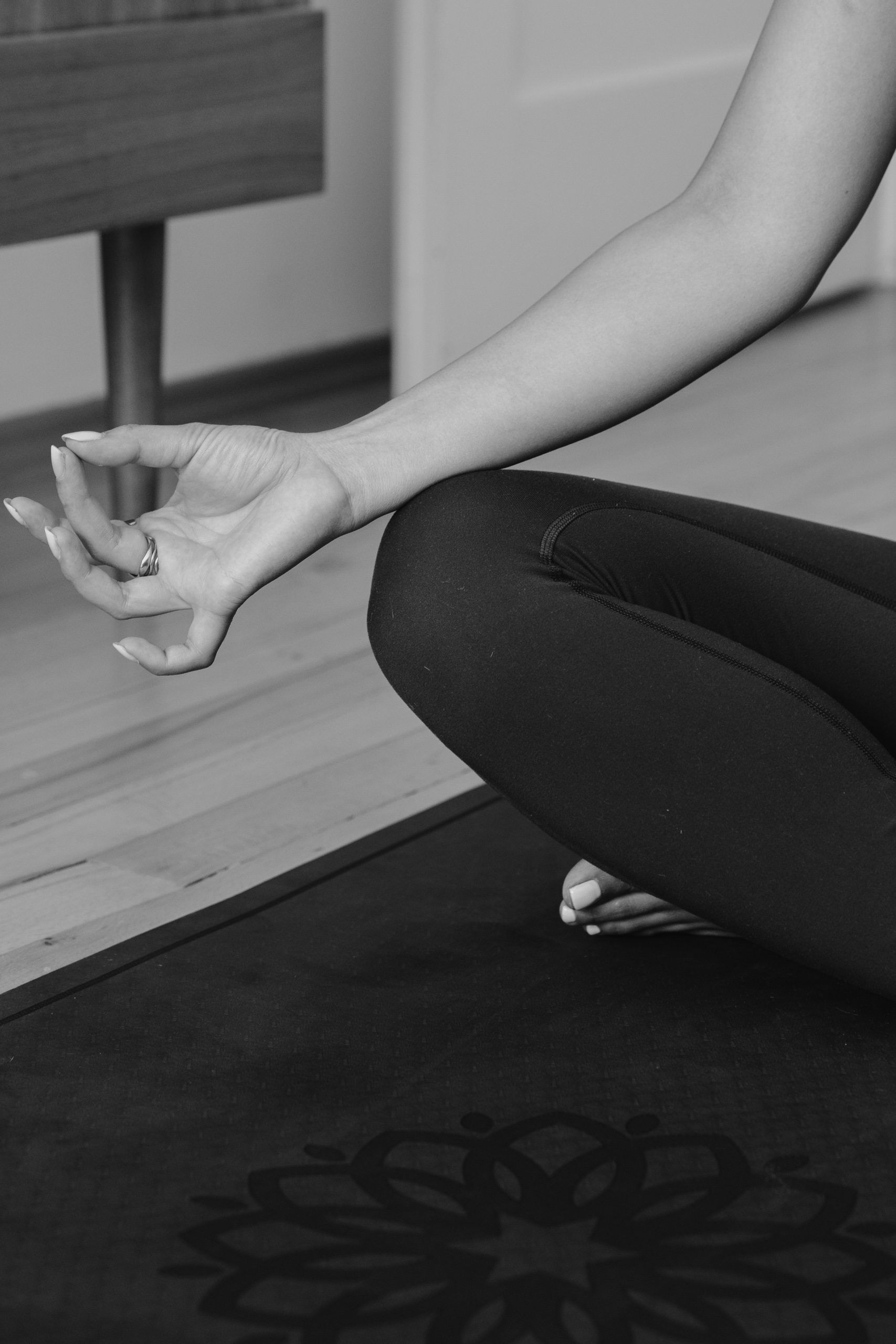
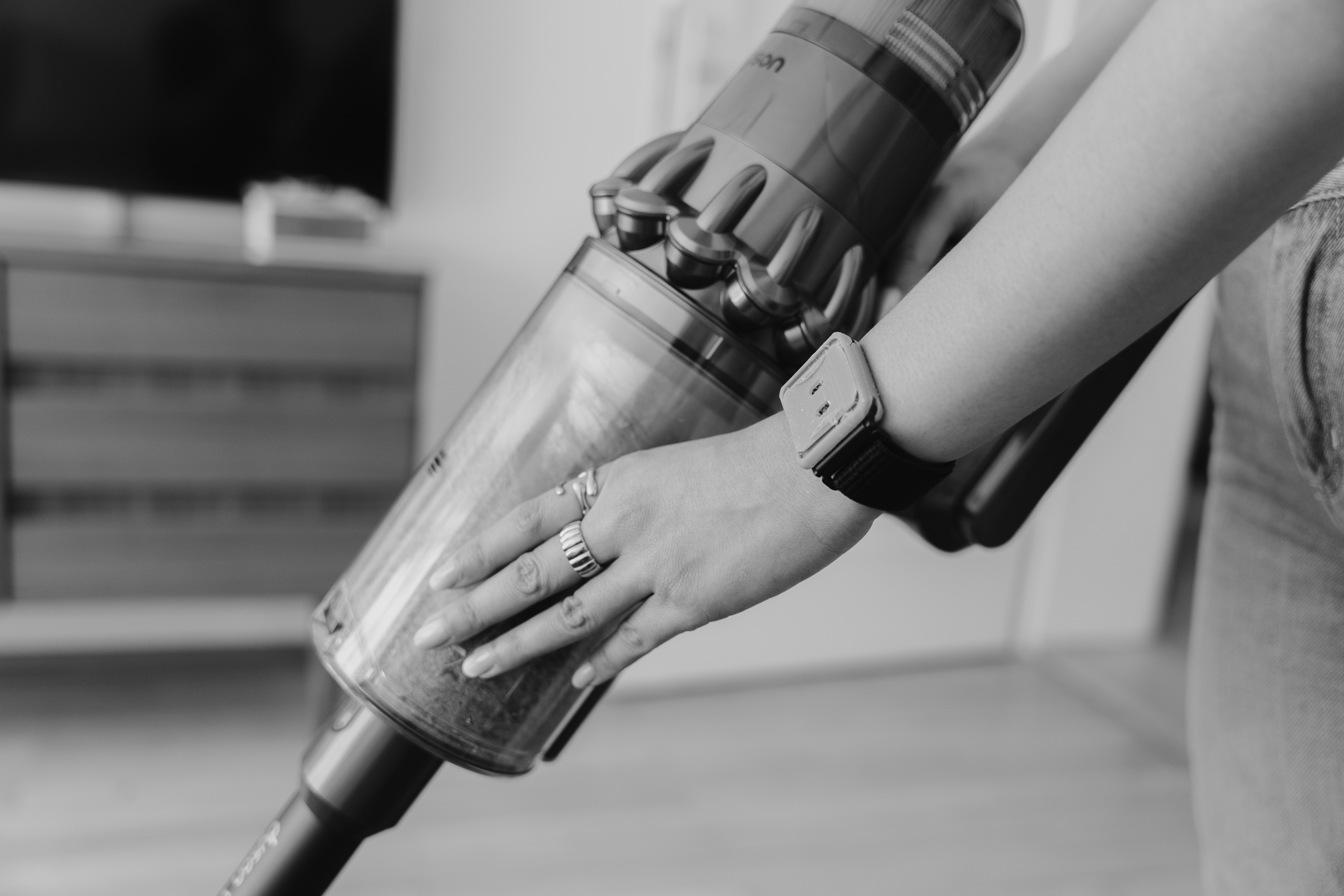
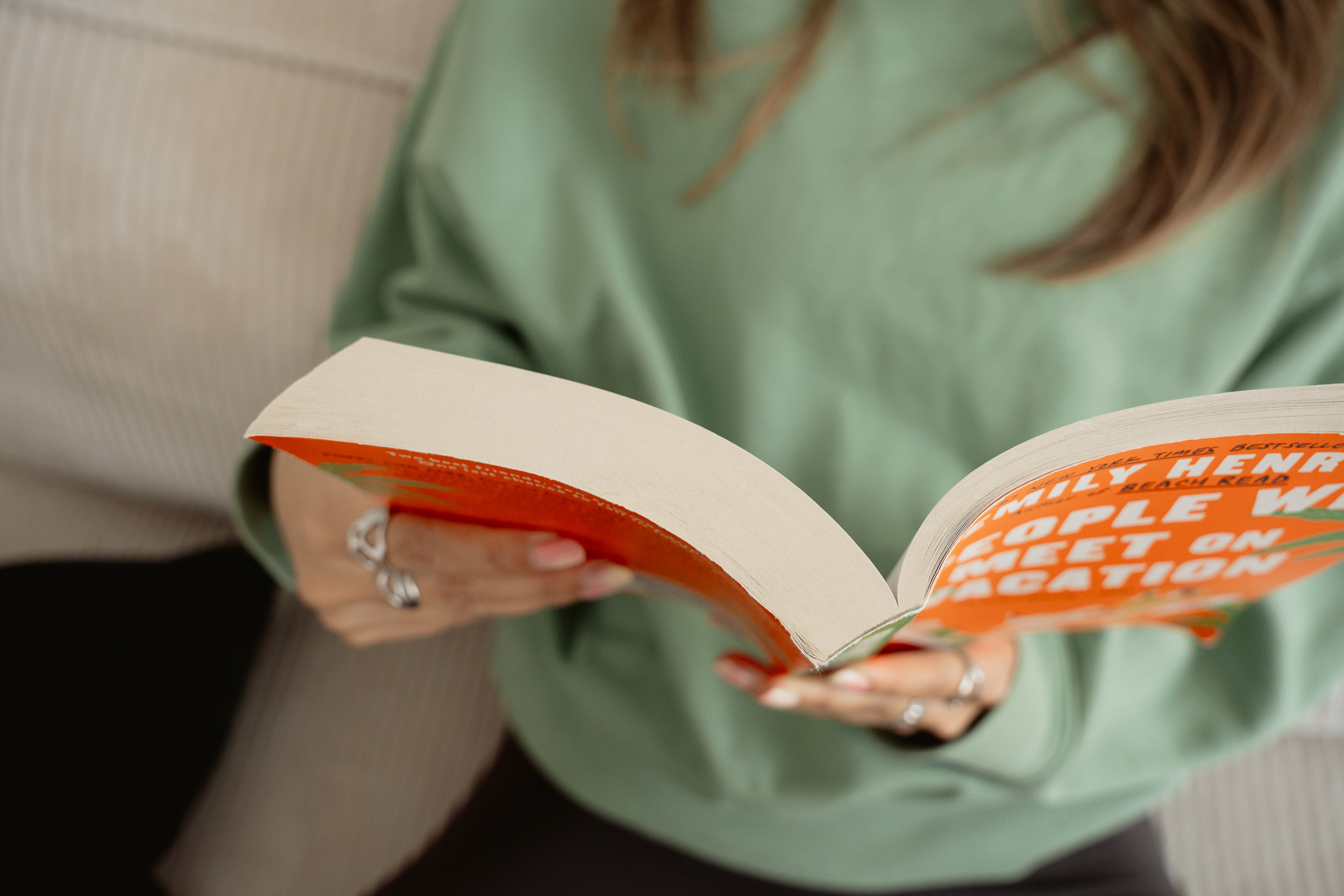
Nothing to open, nothing to check, nothing kept score of. tacet just speaks a little less often, once the habit holds on its own.
Does technology really have to work by the same logic — measure more, show more, alert more often? With attention, that principle breaks down. tacet assumes the opposite: one quiet impulse that doesn't pull you into the technology, but pushes you back into the moment.
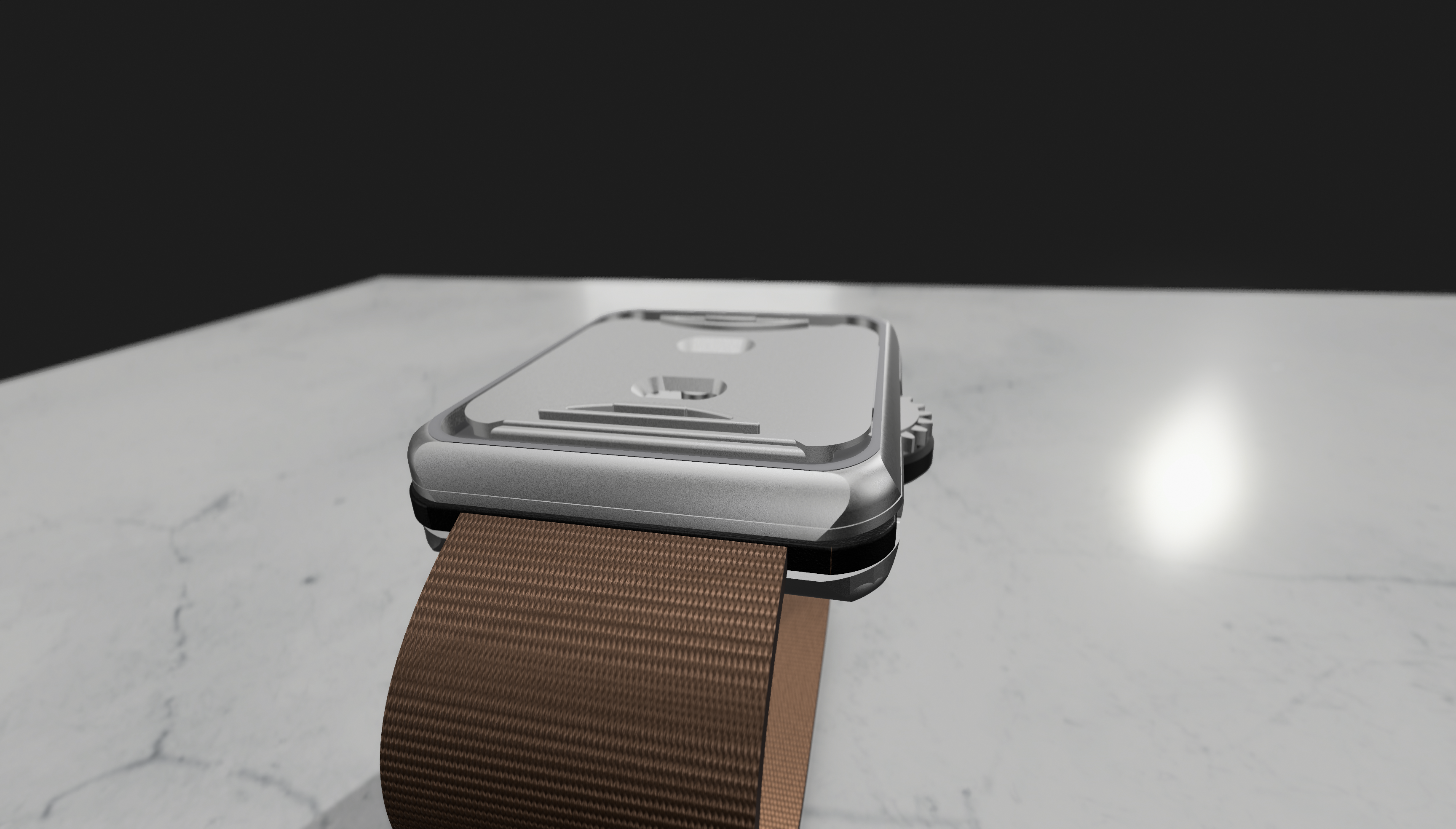
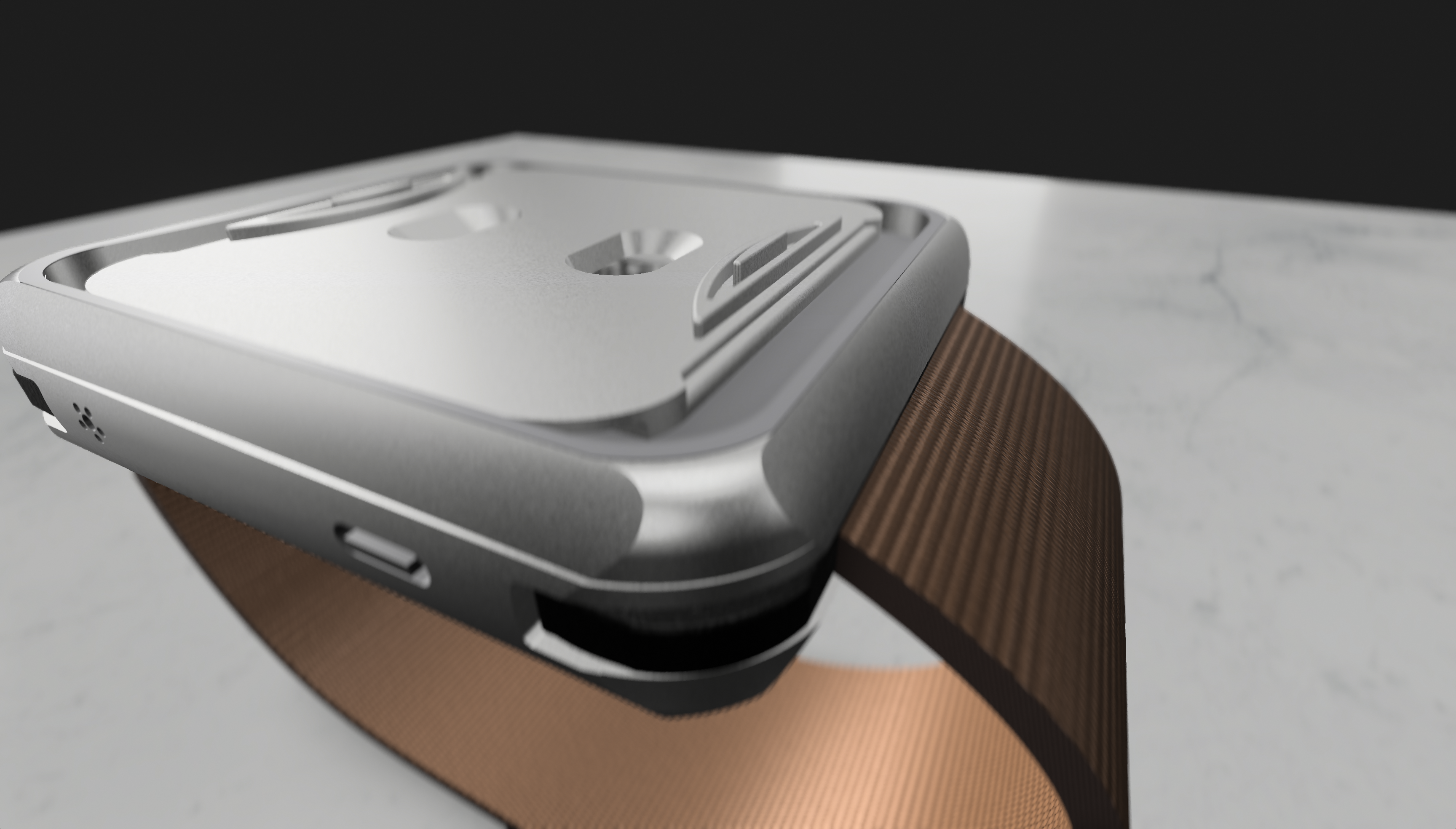
A habit that runs on its own costs no decision.
What you no longer have to decide, you don't have to carry. That's what routines actually give back — not discipline, but capacity for the things that matter.
Not one app. The sum of all of them.
Every notification triggers the same small routine — look, judge, decide if it matters — a hundred times a day. That exhaustion is measurable, and it's growing. This isn't a case against technology. It's the reason a device meant to build calm so often does the opposite.
Out of the box, already doing its job.
No app to set up, no account, no pairing, no updates. And once it's on: it doesn't need to be woken, opened or checked. It responds in the moment itself — not after you've gone looking for it.
Everything you need. Nothing more.
Every setting lives in the object itself
Silent, until the moment it isn't.
tacet
tacet — when an instrument stays silent for an entire movement. Not absence, but a decision, written down. That's what the device is: present, part of the piece, silent until it's needed.